RAF Blyton: A Visual Journey Through Time
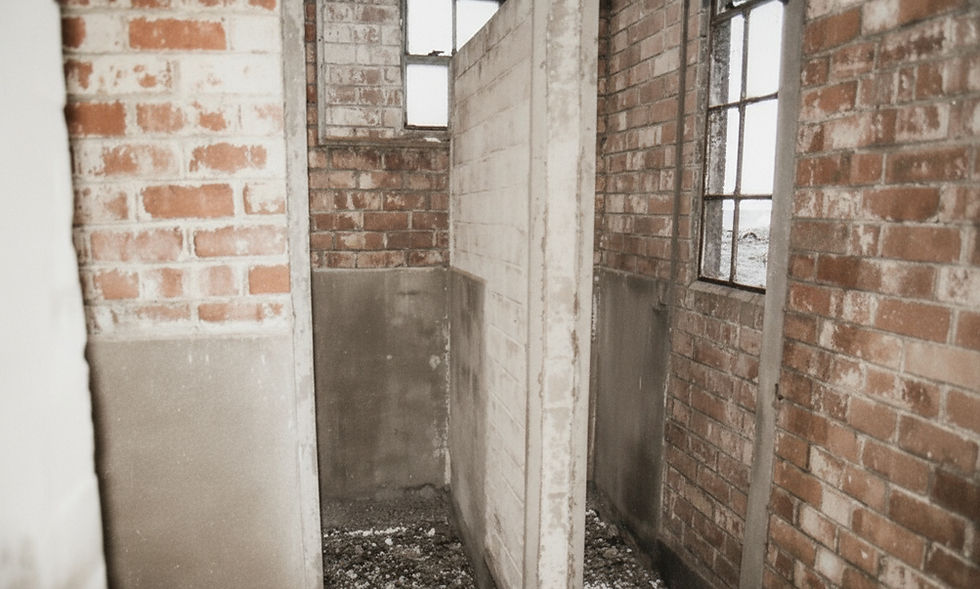
This page brings together a curated collection of images capturing RAF Blyton across different eras, offering a rare visual record of how the site has evolved. Among the highlights is a special selection of photographs kindly lent to our group by the Newark Aviation Museum. Taken around 1980, these images document several surviving buildings that stood long after the station’s operational years structures that, sadly, have since been demolished.
Together, these photographs form an important historical snapshot. They allow us to compare the airfield’s past and present, reflect on what has been lost, and appreciate the heritage that remains. Whether you’re researching the station’s history, revisiting memories, or discovering RAF Blyton for the first time, this collection provides a valuable window into the life of the airfield across the decades.


Aircrew Bombing Trainer
Hidden Precision at RAF Blyton, once a vital part of RAF Blyton’s wartime infrastructure. Though now lost to redevelopment and farmland with no visible remains this facility played a unique role in preparing crews for precision bombing missions.
The trainer housed upgraded, classified equipment designed to simulate bombing runs and enhance accuracy under combat conditions. Its presence underscores the technical sophistication embedded within the airfield’s admin site, much of which is now open fields.


Building No. 53 the Control Tower or “Watch Office.” These towers varied in design, but many followed a two-storey pattern with steel framing and pre-cast concrete, topped by a bay-windowed observation room for maximum visibility. Others were single-storey, built in brick or reinforced concrete, sometimes shielded by earth blast mounds. We’re fortunate to hold original keys and detailed plans showing the tower’s layout and floor levels




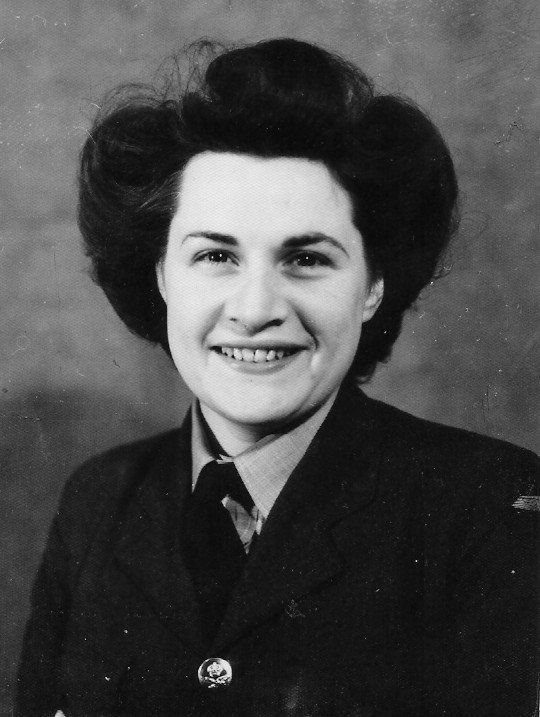
We are honoured to share this story kindly provided by Mike Wainwright from Essex, about his mother Irene Eleanor Sheppard, who served with the WAAF during the Second World War.
Irene, affectionately nicknamed “Inky” for reasons still unknown, was a Radio Telephony Operator. She first served at RAF Binbrook with 460 Squadro, before being posted to RAF Blyton, home of 1662 Heavy Conversion Unit (HCU). It was during her time in the WAAF that she met Mike’s father, and the two married in 1947. Mike has generously shared a collection of photographs from Irene’s wartime years. Some are annotated with names, dates, and places, while others remain a mystery.